Best recycling centres near Charlton Village for bulky waste: a practical local guide
If you are trying to get rid of a sofa, mattress, broken wardrobe, old appliances, or a few awkward household items, the search for the best recycling centres near Charlton Village for bulky waste can feel deceptively simple. In reality, the right choice depends on what you are taking, how much you have, whether it needs sorting beforehand, and how much time you want to spend loading, driving, queuing, and unloading.
This guide cuts through the noise. It explains how local recycling centres and bulky waste options work, what they are best for, where people often go wrong, and when a professional clearance service may be the smarter route. You will also find a practical step-by-step process, a comparison table, a checklist, and answers to the questions people usually ask before they set off with a trailer full of unwanted furniture.
For readers comparing disposal routes, it may also help to review the wider approach to recycling and sustainability, especially if you want to prioritise reuse and responsible sorting rather than just getting everything out of the house as quickly as possible.
Table of Contents
- Why best recycling centres near Charlton Village for bulky waste matters
- How recycling centres for bulky waste work
- Key benefits and practical advantages
- Who this is for and when it makes sense
- Step-by-step guidance
- Expert tips for better results
- Common mistakes to avoid
- Tools, resources and recommendations
- Law, compliance, standards, and best practice
- Options, methods, and comparison table
- Case study or real-world example
- Practical checklist
- Conclusion
- Frequently asked questions
Why best recycling centres near Charlton Village for bulky waste matters
Bulky waste is one of those categories that sounds straightforward until you try to move it. A dining table is not just a table if it barely fits through the hallway. A mattress is not just a mattress if your car boot is already doing its best impression of a packed suitcase. And a "few bits and pieces" can quickly become two van loads once you start separating wood, metal, textiles, and electrical items.
Choosing the right recycling centre near Charlton Village matters because it affects cost, time, effort, and how much of your waste can actually be diverted from landfill. Some items are accepted at household recycling centres, while others may require special handling, advance booking, proof of residency, or separation into different waste streams. If you arrive unprepared, you can end up making two journeys instead of one. Nobody wants that, especially on a rainy afternoon in south-east London.
It also matters because bulky waste often includes items with mixed materials. Old furniture can contain wood, fabric, foam, metal fixings, and sometimes electronics. Good disposal decisions start with understanding what the facility can take and what can be reused or broken down responsibly.
If you are clearing a home, garage, loft, or office, a broader service such as house clearance or garage clearance may be more efficient than trying to self-haul every piece to a recycling centre.
Expert summary: The best recycling centre is not always the closest one. For bulky waste, the best option is the one that accepts your items, saves you repeat trips, and gives you the cleanest route to reuse, recycling, or compliant disposal.
How recycling centres for bulky waste work
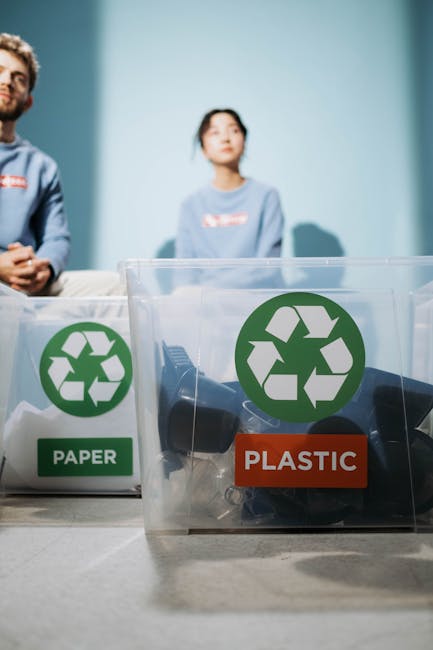
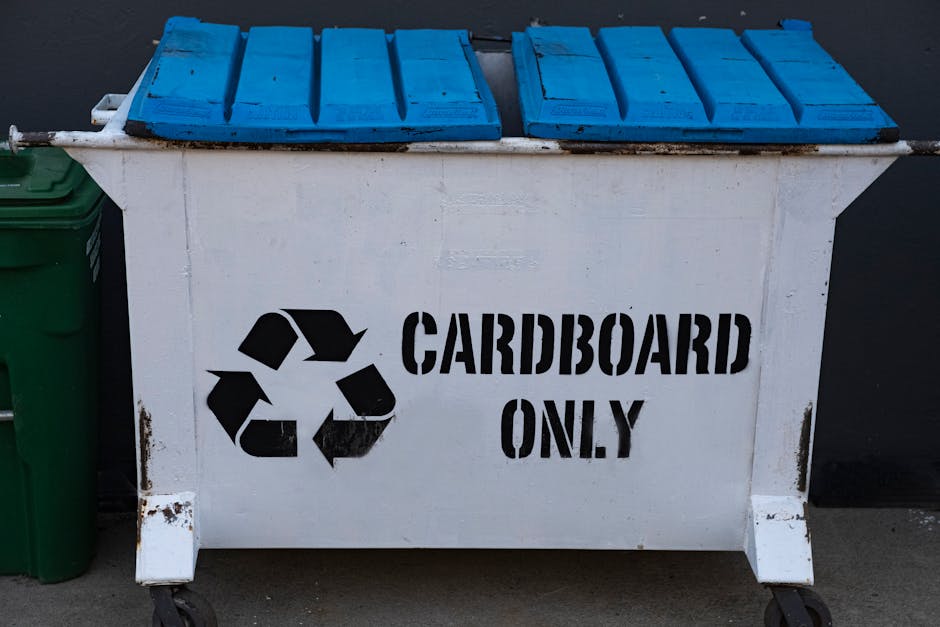
Most household recycling centres operate on a simple principle: you separate items by type, drive in, deposit them in the correct bays, and leave. But the practical experience is often more detailed than that. Facilities may have separate areas for wood, metal, hardcore, green waste, electricals, and general residual waste. Some limit the size of vehicles, the number of visits, or the amount of waste accepted from each household.
For bulky items, the process usually begins before you leave home:
- Check what is accepted. Not every centre accepts every bulky item. Some items, such as large appliances or mattresses, may have special rules.
- Confirm any booking or proof requirements. Some centres require a pre-booked slot or evidence that you live in the area.
- Sort items before loading. A broken wardrobe mixed with garden debris and an old printer is much harder to manage than separated loads.
- Load safely. Heavier items should be secured and balanced. A loose chest of drawers sliding in the back of a car is a bad day waiting to happen.
- Follow site rules on arrival. Staff will often direct you to the right bay or instruct you on unloading.
The key thing to understand is that recycling centres are designed for manageable household quantities. They are not always the best option for whole-room clearances or heavy, awkward items from an upstairs flat. In those situations, a specialist service such as furniture disposal or waste removal may save a lot of lifting and reshuffling.
There is also a difference between recycling and disposal. Recycling centres aim to recover as much material as possible, but not every item can be recycled in full. Some items are reused, some are dismantled, and some are sent for further treatment. Knowing that helps set realistic expectations.
Key benefits and practical advantages
Using the right recycling centre for bulky waste is rarely glamorous, but it can be very practical. The benefits are easy to miss until you compare them with leaving items piled in a hallway or trying to wait for the next skip-friendly weekend.
Here are the main advantages:
- Lower environmental impact: Many bulky items contain recyclable materials that can be recovered and processed.
- Cost control: If you can transport items yourself, you may avoid the higher cost of a full clearance service.
- Flexibility: You can clear items when it suits you, rather than waiting for a collection slot.
- Better space management: Removing bulky waste quickly opens up rooms, lofts, garages, and storage areas.
- Clearer sorting: Separating items by type can increase the chance of recycling rather than disposal.
That said, self-haul only works well when the waste is genuinely manageable. If you have a few items and a vehicle, it can be a tidy solution. If you have multiple large pieces of furniture, stairs, and limited parking, your time and energy may be better spent on a planned collection.
For many local households, the sweet spot is a blended approach: recycle what you can personally handle, and use a professional service for the heavy or awkward remainder. That can be especially useful for jobs involving furniture clearance, home clearance, or loft clearance.
Who this is for and when it makes sense
This topic is useful for a few different groups, and the best option is not the same for everyone.
Homeowners and tenants
If you are replacing old furniture, clearing out a spare room, or dealing with end-of-tenancy clutter, a recycling centre can be a sensible route for smaller bulky loads. It is especially handy when you already have transport and the items are easy to move.
Landlords and letting agents
After a move-out, bulky waste often includes beds, wardrobes, broken chairs, and mixed household items. If speed matters, a direct recycling-centre run may not be enough. A managed flat clearance or house clearance can be the more efficient route.
Garden and DIY renovators
Bulky waste does not only mean furniture. Old fencing, broken sheds, timber offcuts, and renovation debris can all create headaches. In those cases, a service like builders waste clearance or garden clearance may fit better than a standard recycling-centre visit.
Small businesses and offices
Desks, office chairs, cabinets, and redundant equipment can accumulate quickly. If you are clearing a workspace rather than a single room, a dedicated office clearance service may be more practical than trying to piece together multiple recycling trips.
In simple terms: if the waste is light enough, separated enough, and few enough in number to handle safely, a recycling centre can work well. If not, choose the route that reduces handling and delays.
Step-by-step guidance
Here is a practical approach you can follow before heading to a recycling centre near Charlton Village or deciding on another disposal method.
- Make a full list of items. Write down everything you want to remove, including dimensions if the item is especially awkward.
- Separate by material. Put wood, metal, textiles, electricals, and general waste into different groups where possible.
- Identify special items. Fridges, freezers, televisions, mattresses, and paint can have separate handling rules.
- Check local site guidance. Confirm opening hours, vehicle restrictions, booking rules, and residency requirements before you leave.
- Decide whether you can lift safely. If an item needs two people, ramps, or dismantling, plan for that before collection day.
- Protect your vehicle. Use blankets, straps, dust sheets, or plastic sheeting where needed.
- Load in the right order. Heavier items go low and secure; lighter items can fill gaps.
- Take proof and equipment. Some centres may ask for ID or proof of address. Bring gloves and suitable footwear too.
- Unload efficiently. Ask for help if site rules allow it, and place items in the right bay from the start.
- Keep a record for business waste. If the load is commercial, make sure your disposal route is documented appropriately.
One useful habit is to dismantle large items in advance. A wardrobe in panels is far easier to manage than a wardrobe in one piece. A screwdriver, a small box for fixings, and ten minutes of preparation can save you a lot of lifting later.
Expert tips for better results
A few small decisions can make bulky waste disposal much smoother. They are the kind of details people often learn the hard way, which is never the ideal learning method.
- Prioritise reusable items first. If something is still in usable condition, consider reuse before recycling. That might mean donation, resale, or a clearance service that can separate reusable furniture.
- Book the earliest slot you can handle. Recycling centres are often quieter at certain times. Fewer queues mean less idling, less stress, and less chance of having to rush your unloading.
- Take a second pair of hands if the item is large. A bulky item that looks fine in the living room can become inconvenient on stairs or in a narrow driveway.
- Check item condition before loading. A sofa soaked by rain, a mattress with mould, or shattered glass components may need special handling.
- Combine trips intelligently. If you are also clearing a loft, garage, or spare room, separate what can go to a centre from what needs collection. That saves time and fuel.
- Ask about recycling and reuse routes. Good providers and facilities should be able to explain how materials are handled. Transparency is a positive sign.
If you want a clearer picture of service standards, it is worth reading a provider's health and safety policy and insurance and safety information. These pages are not exciting reading, admittedly, but they do tell you a lot about how carefully a company works.
Another sensible reference point is the company's pricing and quotes page. That helps you compare a self-haul plan with a direct collection and judge which route is more cost-effective overall.
Common mistakes to avoid
Most bulky waste problems are preventable. The mistakes are usually simple, but they can create a disproportionate amount of hassle.
- Assuming every centre takes every item. Restrictions are common, especially for mattresses, white goods, and certain electricals.
- Arriving with mixed waste. Mixed loads slow everything down and may be rejected or redirected.
- Underestimating vehicle space. A bulky item often takes more room than expected once safely loaded.
- Skipping safety gear. Gloves, sturdy footwear, and sensible lifting technique matter more than people like to admit.
- Ignoring access issues. Tight stairwells, no parking, and low bridges can turn a simple trip into a logistical puzzle.
- Leaving disposal to the last minute. Bulky waste is rarely easier when rushed. In fact, it usually gets heavier somehow.
- Choosing the centre based on distance alone. The nearest site is not necessarily the best one if it will reject half your load.
Another common issue is failing to think about the end point of the waste stream. If you are clearing a lot of furniture or mixed household items, a direct collection may produce a cleaner outcome than repeated private trips. That is especially true where stairs, parking, or vehicle size become limiting factors.
Tools, resources and recommendations
A little preparation makes bulky waste disposal much less stressful. You do not need special equipment, but a few basic tools can help.
- Work gloves: Useful for splinters, sharp edges, and lifting awkward surfaces.
- Ratchet straps or tie-downs: Good for keeping items stable in transit.
- Dust sheets or blankets: Help protect your vehicle and stop items sliding around.
- Screwdrivers and a small tool kit: Handy for taking apart wardrobes, bed frames, and shelving.
- Measuring tape: Useful when deciding whether something will fit through doorways or into a car.
- Phone notes or a checklist app: Keeps the load list tidy and reduces the chance of forgetting an item.
For anyone comparing local disposal support, the site's recycling and sustainability information is worth a look, as is the main Charlton service page if you want to move from research to action.
If you are dealing with a specific type of bulky waste, it can also help to use a targeted service rather than treating everything as general rubbish. For example, furniture, garden waste, office items, and builders' debris often benefit from different handling routes. Matching the method to the material is usually the smartest move.
Law, compliance, standards, and best practice
Bulky waste disposal in the UK is not just a practical question; it also has a compliance side. The main point for households is simple: you should dispose of waste responsibly and use a legitimate route that can be traced if needed. For businesses, the standards are stricter because commercial waste needs proper handling, documentation, and duty-of-care awareness.
Best practice usually includes the following:
- Use authorised facilities or licensed collectors. Avoid anyone who cannot explain where the waste goes.
- Keep records where appropriate. Businesses should be especially careful about receipts, transfer notes, and documentation.
- Separate hazardous or specialist items. Do not mix unknown items, chemicals, or damaged electricals into ordinary bulky waste.
- Follow site rules. Recycling centres set rules for safety, traffic flow, and sorting. They are there for a reason.
- Think about manual handling. Large items can cause injuries if lifted badly or carried alone.
If you are using a clearance provider, it is sensible to check their terms and conditions, payment and security information, and company background on the about us page. Those pages help build a more complete picture of how the service operates.
For people with accessibility needs or specific site-access concerns, reviewing an accessibility statement can also be helpful, especially if you are planning a visit or arranging support for lifting and collection.
Options, methods, and comparison table
There is no single best answer for everyone. The right choice depends on the amount of waste, the type of waste, and how much effort you want to put in yourself. The comparison below is a practical starting point.
| Option | Best for | Strengths | Limitations |
|---|---|---|---|
| Self-haul to a recycling centre | A few bulky household items | Flexible, often lower cost, good for separated materials | Requires transport, lifting, time, and site knowledge |
| Booked bulky waste collection | Large items or awkward loads | Less lifting, easier for heavy furniture, convenient | May cost more than self-haul and needs a collection slot |
| Full clearance service | Rooms, flats, lofts, garages, or mixed loads | Fast, comprehensive, reduces handling and sorting pressure | Usually the highest-cost option if you only have one item |
| Reuse or donation route | Usable furniture and household goods | Extends product life, reduces waste, can help others | Condition matters; not every item is suitable |
For a surprisingly large number of households, the best answer is not one method but a combination. A wardrobe may go to a recycling centre if it is already dismantled, while a heavy sofa or fridge is better handled through a collection service. That mixed approach often delivers the best balance of convenience and responsibility.
Case study or real-world example
Consider a typical Charlton Village scenario. A family has finished redecorating and wants to clear out an old sofa, two wardrobes, a broken desk, and a few bags of mixed clutter from the loft. At first glance, a recycling-centre trip seems like the cheapest route. Then the practical details appear: one wardrobe is too large to move safely without dismantling, the sofa is awkward through the stairwell, and the car is not really suited to long flat-pack panels.
The family starts by separating what can be reused from what needs disposal. They remove the small loose items, dismantle one wardrobe, and compare the remaining load with a collection service. In the end, they send the smaller dismantled pieces to a recycling centre and book a clearance for the sofa and heavier furniture. The result is less strain, fewer trips, and a much cleaner finish to the project.
That is often the real lesson with bulky waste: the best option is not the one that sounds cheapest on paper, but the one that avoids wasted time, extra damage, and repeated lifting. You may even save money in the end once fuel, parking, and effort are counted honestly.
Practical checklist
Use this checklist before you commit to a recycling-centre run or a clearance booking.
- List every bulky item you need to remove.
- Separate items by material where possible.
- Check whether any item needs special handling.
- Confirm opening hours and any booking requirements.
- Measure the items and your vehicle space.
- Gather gloves, straps, blankets, and basic tools.
- Decide whether you need a second person to lift safely.
- Make sure the load will fit legally and securely.
- Keep proof of address or job details if required.
- Choose the option that gives the best mix of safety, price, and convenience.
Practical takeaway: If your bulky waste is small in volume and simple to sort, a recycling centre can be a great option. If it is heavy, mixed, or difficult to move, a collection or clearance service is usually the more sensible route.
Get a free quote today and see how much you can save.
Conclusion
The best recycling centres near Charlton Village for bulky waste are the ones that match your load, your transport, and your time. That sounds obvious, but it is the detail people often overlook. A nearby centre is useful only if it accepts the right materials and if you can get the waste there safely and efficiently.
For a few manageable items, self-haul is often perfectly reasonable. For bigger jobs, it may be more practical to use a service designed for bulky items, mixed household loads, or full-property clearances. The goal is not just to get waste out of sight. It is to remove it responsibly, with as little stress and unnecessary lifting as possible.
If you are comparing service options in the area, start with the type of waste, then decide whether recycling-centre drop-off, booked collection, or a broader clearance service gives you the best result. That simple sequence will save you time more often than not.
Frequently Asked Questions
What counts as bulky waste near Charlton Village?
Bulky waste usually means large or awkward items that are difficult to place in a normal bin. Common examples include sofas, mattresses, wardrobes, tables, white goods, and broken flat-pack furniture.
Can I take a sofa to a recycling centre?
Often yes, but acceptance rules vary. Some centres allow sofas, while others may ask you to separate certain components or use a specific bay. Always check the site guidance first.
Do I need to book a recycling-centre visit?
Some centres do require bookings, especially for household visits or controlled site access. Others accept drive-in visits. It is best to confirm before loading the car or van.
Is it cheaper to use a recycling centre or a clearance service?
If you only have a few items and already have transport, a recycling centre may be cheaper. If the waste is heavy, large, or hard to move, a clearance service can represent better overall value once time and effort are included.
What should I do with a mattress?
Mattresses often have specific handling rules because they are bulky and made of mixed materials. Some centres accept them, but not all do, and some services handle them separately as part of a furniture clearance.
Can I dispose of electrical items with bulky waste?
Small and large electricals are usually handled through dedicated recycling streams, not mixed with general rubbish. Check what the site accepts before you arrive, especially for TVs, fridges, and freezers.
What if my items are too large for my car?
If the items do not fit safely, do not force them in. It is better to dismantle them, make multiple trips, use a larger vehicle, or arrange a collection service.
Are there any items I should not take to a standard recycling centre?
Yes. Hazardous items, certain chemicals, and specialist wastes may need separate handling. If you are unsure, confirm with the centre or choose a provider that can advise on specialist disposal.
How do I avoid a wasted trip?
Check opening times, booking rules, accepted materials, vehicle limits, and proof requirements before leaving home. Sorting the waste in advance also makes a huge difference.
Can landlords or businesses use the same disposal approach as households?
Not always. Commercial waste often comes with different rules and a stronger duty of care. Businesses should use an appropriate commercial route and keep the right records.
What is the best option for clearing a whole flat or house?
For a full property clearance, a dedicated service is usually the most efficient option. It reduces lifting, saves time, and helps with mixed items that would otherwise require several recycling-centre trips.
How do I choose between different local disposal services?
Look at what they collect, how they handle recycling, whether they provide clear pricing, and whether their safety and policy pages are transparent. A good provider should make the process straightforward rather than confusing.