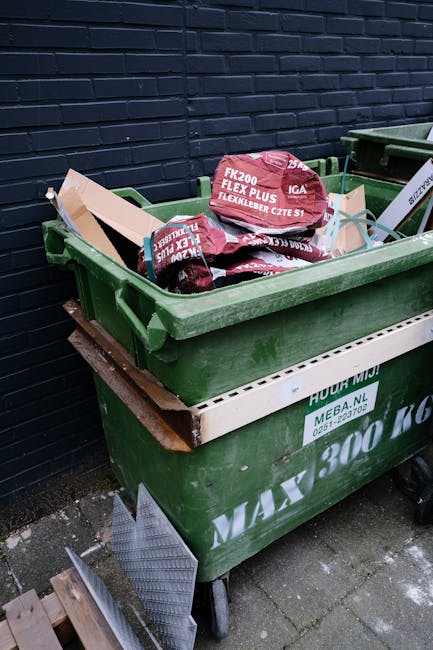
Charlton Park rubbish collection: SE7 street service
If you live or work around Charlton Park and need a dependable SE7 street service, rubbish collection can feel simple on the surface and messy in practice. Bags appear faster than you expect. Furniture gets left behind after a move. Garden waste builds up after one weekend of enthusiastic tidying. Then the question becomes: what is the quickest, safest, and most responsible way to get it all removed?
This guide explains how Charlton Park rubbish collection: SE7 street service typically works, who it suits, what to watch out for, and how to choose a service that handles waste properly. It also covers the practical details that matter on real streets: access, timing, sorting, safety, recycling, and what to do when a job is more complicated than a few bin bags.
For readers comparing options, it can help to look at the wider service picture too. Local residents often need more than one type of clearance, so links such as general waste removal in Charlton, house clearance support, and furniture disposal help can be useful starting points. If you want to understand how a provider works before booking, the pages on about the team and pricing and quotes are also worth a look.
Table of Contents
- Why Charlton Park rubbish collection: SE7 street service Matters
- How Charlton Park rubbish collection: SE7 street service Works
- Key Benefits and Practical Advantages
- Who This Is For and When It Makes Sense
- Step-by-Step Guidance
- Expert Tips for Better Results
- Common Mistakes to Avoid
- Tools, Resources and Recommendations
- Law, Compliance, Standards, or Best Practice
- Options, Methods, or Comparison Table
- Case Study or Real-World Example
- Practical Checklist
- Conclusion
- Frequently Asked Questions
Why Charlton Park rubbish collection: SE7 street service Matters
Charlton Park is the kind of area where waste can become a visibility problem quickly. A missed collection, an overfilled front garden, or a stack of broken furniture on a narrow pavement affects more than one household. It can block access, attract complaints, and make a street feel neglected even when the issue is temporary.
That is why a reliable SE7 street service matters. It is not only about removing waste. It is about keeping the area tidy, reducing trip hazards, and handling items in a way that does not create more problems for neighbours or the environment. In practice, that means planning the collection properly, arriving with the right vehicle and labour, and separating recyclable materials where possible.
There is also a timing issue. Many local jobs are time-sensitive: end-of-tenancy clearances, pre-sale tidy-ups, post-renovation debris, or the familiar "we need this gone before the weekend" situation. A structured service is often the difference between a straightforward job and a stressful one that drags on.
Expert summary: The best rubbish collection service in Charlton Park is one that balances speed, access, safety, and responsible disposal. Quick removal is useful; proper removal is better.
When streets are tight or parking is limited, experience matters. A team that understands local access challenges can save you time, reduce disruption, and avoid unnecessary return visits. That is especially relevant for residents seeking support with flat clearance, home clearance, or seasonal outdoor jobs such as garden clearance.
How Charlton Park rubbish collection: SE7 street service Works
At a practical level, a street-based rubbish collection service works through a simple sequence: assess, quote, schedule, collect, sort, and dispose. The details matter, though, because each property and each load is different.
1. Initial assessment
You usually start by describing the waste type, volume, and access. Photos help a lot. So does mentioning whether the rubbish is already bagged, whether there are stairs, and whether the vehicle can stop nearby. If the job involves mixed items, be clear about that from the beginning. A mattress and a few broken cabinets are not the same as a pile of building debris.
2. Quotation and booking
Most customers want two things at this point: clarity and speed. A good quote should explain what is included, how the load is measured, and whether labour, lifting, and disposal are all covered. That is why many people check pricing and quotes before booking. It reduces awkward surprises later.
3. Arrival and loading
On the day, the crew should arrive ready to remove waste safely and efficiently. This may involve carrying items from inside a property, collecting from a front drive, or loading from the pavement if access is restricted and permitted. The simplest jobs are the ones where bags are grouped, bulky items are separated, and the route to the vehicle is clear.
4. Sorting and disposal
Not all rubbish goes to the same destination. A responsible provider will separate reusable, recyclable, and general waste where possible. That matters if you care about recycling performance or want to avoid unnecessary landfill disposal. Reputable operators should also follow sensible handling procedures for sharp objects, heavy items, and waste that may be awkward or contaminated.
5. Final sweep-up
A decent service should not leave a mess behind. Once the collection is finished, the area should be checked and cleared of stray bits and packaging. It sounds small, but this is the detail people remember.
If you are comparing providers, look beyond the promise of "same day" and ask how they handle access, recycling, insurance, and complaint resolution. Those details tell you far more than a flashy headline. For governance and customer confidence, useful pages include insurance and safety, health and safety policy, and complaints procedure.
Key Benefits and Practical Advantages
The appeal of a street rubbish collection service in Charlton Park is not just convenience. The best jobs save time, reduce stress, and prevent the kind of delay that turns a small mess into a larger one.
- Faster removal: You can clear space without hiring a skip or waiting around for council collection dates.
- Less physical strain: Heavy lifting is handled by a team rather than by you and a friend with questionable enthusiasm.
- Better access management: Narrow streets, shared entrances, and awkward parking are easier to manage with a crew used to local conditions.
- Cleaner presentation: Useful for landlords, sellers, tenants, and anyone preparing a property for viewing.
- Responsible disposal: Reputable operators should prioritise recycling and correct sorting where practical.
- Flexible volume handling: The same service can cope with a few bags or a larger mixed clearance job.
There is also a mental benefit that people sometimes underestimate. Once the rubbish is gone, the space feels usable again. A garage becomes a garage, not a storage problem. A hallway stops being an obstacle course. A garden feels like a garden rather than a staging area for broken chairs. That shift is real.
For many households, the best next step is combining street collection with a broader clearance plan. For example, after removing loose rubbish you may decide to clear a loft, dispose of an old sofa, or book a small garage clearance. One job often reveals the next.
Who This Is For and When It Makes Sense
Charlton Park rubbish collection is useful for a wide mix of people. The common thread is simple: you have waste that will not fit neatly into normal household disposal routines, or you need it removed quickly and properly.
Typical situations
- Residents with bulky household rubbish after a clear-out
- Tenants preparing for move-out inspections
- Landlords needing a property reset between occupants
- Homeowners dealing with renovation leftovers or one-off junk buildup
- Garden owners with cuttings, broken planters, and outdoor clutter
- Small businesses that need local waste support without overcommitting to a full contract
When it makes the most sense
This service is usually the right fit when the waste is too bulky, too much, or too inconvenient for regular collection methods. It is also a good fit if you want a quick turnaround and do not want to manage the loading yourself. If the waste is mixed, heavy, or awkwardly placed, a professional collection is often the most efficient choice.
That said, not every load needs the same approach. A few bags of garden trimmings may be simple, while mixed waste from a refurbishment may need a more careful plan. If the job crosses into renovation debris, it is worth reviewing builders waste clearance so you know what the service can and cannot handle.
Step-by-Step Guidance
If you want the collection to go smoothly, treat it like a small project rather than a random pickup. A bit of preparation saves time and money.
- List what needs removing. Write down the waste types: household junk, furniture, green waste, broken fittings, or mixed debris.
- Take clear photos. Capture the volume from different angles so the provider can estimate the load properly.
- Check access. Measure gate widths, note stairs, and confirm where a vehicle can safely stop.
- Separate anything reusable. Keep documents, personal items, and valuables out of the pile. It sounds obvious, but it is easy to miss in a rush.
- Ask about recycling. If sustainability matters to you, ask how the waste will be sorted or diverted where practical.
- Confirm the quote scope. Make sure labour, loading, disposal, and any extra handling are understood before the job begins.
- Prepare the space. If possible, clear a route to the waste so the team can work safely and efficiently.
- Do a final walkthrough. Check the area after collection and confirm nothing has been missed.
A practical tip: if you have multiple waste types, group them before collection. A clear pile of garden waste, a separate pile of old furniture, and bagged general rubbish are easier to assess than one chaotic mound. Less chaos is good. On rubbish day, chaos is never helping.
Expert Tips for Better Results
Good rubbish removal is rarely complicated, but the best results usually come from a few simple habits.
Be precise about volume
"A few bags" can mean anything from three to thirty. Photos and honest descriptions help prevent underestimation. If the pile looks larger than you first thought, say so early.
Think in load categories
Mixed waste, furniture, garden debris, and construction leftovers often need different handling. Separating them mentally before the job begins helps you plan better and can sometimes improve the efficiency of the collection.
Plan for access, not just the waste
Many delays come from access issues rather than waste volume. Parking restrictions, narrow staircases, and shared entrances can all affect timing. If your street is tight, mention it when requesting a quote.
Ask what happens after collection
Responsible disposal is not something to leave vague. You do not need a lecture on waste law, but you do need reassurance that items will be handled correctly. That is especially relevant if you are disposing of electrical items, mattresses, or mixed household contents.
Choose the right service for the right job
If you only need a few items removed, a large clearance package may be unnecessary. If the job is bigger, a tiny pickup may be false economy. Matching the service to the waste is the real trick.
For sustainability-minded readers, the page on recycling and sustainability is a useful reference point. It helps set expectations around recycling-led disposal and careful handling.
Common Mistakes to Avoid
Most collection problems are preventable. The tricky part is that they often happen because people are trying to save time. Ironically, that can create more of it.
- Leaving items mixed together: It slows assessment and can increase handling time.
- Forgetting about access: A quote based on easy access may not reflect a tight stairwell or awkward parking spot.
- Not checking what is accepted: Some items need special handling or may be excluded from standard collection.
- Relying on verbal assumptions: If it matters, get it confirmed before the job begins.
- Ignoring personal or confidential items: Important paperwork and valuables should be removed before clearance starts.
- Assuming all rubbish is the same: Household waste, garden waste, furniture, and building debris are handled differently.
A common real-world slip-up is waiting until the waste is already spilling into the front path before arranging collection. That often increases stress and reduces the amount of time you have to compare options properly. A better approach is to book once you know the scope, even if the job is not urgent yet.
Tools, Resources and Recommendations
You do not need specialist equipment to prepare for a rubbish collection, but a few simple tools can make the process smoother.
- Phone camera: Use it to capture photos for accurate quotes.
- Basic measuring tape: Helpful for access points, bulky items, and stair widths.
- Marker pens or labels: Good for separating keep, donate, recycle, and remove piles.
- Heavy-duty bags or boxes: Useful for loose items, soft rubbish, and broken household clutter.
- Gloves and sturdy footwear: Sensible for anyone sorting through the waste before collection day.
From a decision-making perspective, the most useful resources are the service pages that explain what a provider actually does. For broader domestic jobs, read about house clearance and home clearance. For individual items, furniture clearance and furniture disposal are often the most relevant pages.
If the collection is tied to business premises or a working property, the most appropriate route may be business waste removal or office clearance. Picking the right service model saves time and avoids confusion.
Law, Compliance, Standards, or Best Practice
Rubbish collection in the UK sits within a framework of duty of care, safe handling, and proper disposal. You do not need to memorise regulations to make a sensible booking, but you should expect the provider to work in a lawful, careful, and traceable way.
In practical terms, best practice usually means:
- using appropriate vehicles and lifting methods
- separating recyclable materials where practical
- avoiding unsafe manual handling
- handling waste with due regard to contamination and sharp edges
- providing clear customer information before collection
- maintaining insurance and safety procedures
If you are comparing providers, this is where trust pages become useful rather than decorative. The pages on health and safety and insurance and safety give a practical signal that the business takes these matters seriously. If you are booking for a sensitive site or a shared property, that reassurance matters more than people usually admit.
It is also sensible to check the provider's terms before booking, especially if access is uncertain or the load may change on arrival. Clear expectations reduce dispute risk, which is the kind of paperwork nobody enjoys but everybody appreciates after the fact.
Options, Methods, or Comparison Table
There are several ways to deal with rubbish around Charlton Park, and the best choice depends on volume, urgency, access, and item type. Here is a simple comparison.
| Method | Best for | Advantages | Limitations |
|---|---|---|---|
| Street rubbish collection | Mixed household waste, bulky items, quick clear-outs | Fast, flexible, little effort from you | Access and load size still need planning |
| Skip hire | Longer projects with predictable waste streams | Good for ongoing work, can suit renovation jobs | Needs space, permits may be relevant, self-loading required |
| Council collection | Some bulky items or scheduled household waste routes | Useful for certain standard items | Less flexible, timing may be limited |
| DIY disposal | Small amounts when you already have transport | Control over timing | Labour, trips, and disposal site rules are your responsibility |
For many Charlton Park households, street collection is the most balanced option. It is especially practical when you want the waste gone in one visit and do not want a skip sitting outside for days. If the job is larger or more complex, though, a structured clearance service may still be the better fit.
Case Study or Real-World Example
Consider a typical SE7 scenario: a resident has just finished a property refresh and now has several bin bags, an old armchair, two damaged shelving units, and a pile of garden waste from a weekend tidy-up. The front path is narrow, parking is not ideal, and the household wants everything gone before guests arrive at the end of the week.
The most efficient approach is to separate the waste into groups, take photos, and request a quote that includes collection from outside the property and any lifting needed for the furniture. If the waste includes heavier or awkward items, the provider should be told in advance so the right team and vehicle can be sent. The collection then becomes a single coordinated visit rather than three separate attempts.
What usually makes the biggest difference in jobs like this is not brute force. It is preparation. Once the team can see exactly what needs moving, they can work quickly and keep disruption low. The resident gets the space back, the pavement stays clear, and the job ends without drama. Which, frankly, is the best kind of rubbish collection.
Practical Checklist
Use this checklist before your collection day.
- Confirm what items need removing
- Take photos of the load from more than one angle
- Note any narrow access, stairs, or parking issues
- Remove valuables, documents, and keep items first
- Separate garden waste, furniture, and general rubbish if possible
- Ask whether recycling is included where practical
- Check if the service includes lifting from inside the property
- Review the quote and any conditions before booking
- Keep the access route clear on the day
- Inspect the area after collection and make sure nothing is left behind
If you want to understand the business behind the service, it is also reasonable to review the provider's trust pages such as about us, terms and conditions, and contact us. Simple, but useful.
Get a free quote today and see how much you can save.
Conclusion
Charlton Park rubbish collection: SE7 street service is at its best when it is quick, organised, and considerate of the street around it. The right service should do more than remove waste. It should make the process easy to understand, safe to carry out, and sensible from a recycling and compliance point of view.
If you prepare the waste properly, describe the access clearly, and choose a provider that values safety and transparency, the process is usually straightforward. That is especially true for local jobs where timing matters and disruption needs to stay low. Whether you are clearing a room, a garden, or a full property, a good collection service can turn a stressful job into a manageable one.
When you are ready, look for a team that explains its process clearly, offers practical quotes, and treats waste disposal as a responsibility rather than an afterthought. That is the standard worth aiming for.
Frequently Asked Questions
What does a Charlton Park street rubbish collection usually include?
It usually includes the removal, loading, and disposal of agreed waste from a street-accessible property or frontage. Depending on the provider, it may also include lifting items from inside the property if that has been arranged in advance.
Can I book rubbish collection for the same day in SE7?
Often, yes, subject to availability and the size of the job. Same-day service is most realistic when you can describe the waste clearly and the access is straightforward.
How do I know if my waste is too much for a standard collection?
If the pile is large, mixed, or includes bulky furniture and heavy debris, it may need a broader clearance service rather than a simple collection. Photos are the easiest way to help the provider judge this.
Do I need to sort the rubbish before it is collected?
Sorting is helpful but not always essential. Separating furniture, garden waste, and general rubbish can improve efficiency and may help with recycling, but a good provider can often handle mixed loads too.
What happens to the rubbish after it is collected?
It should be taken to an appropriate disposal or transfer facility, with recyclable materials separated where practical. A trustworthy provider should be able to explain its disposal approach in plain English.
Is street rubbish collection better than skip hire?
It depends on the job. Street collection is often better for quick, one-off clearances and bulky item removal, while skip hire can suit longer projects where waste is created over time.
Will I need to be present during the collection?
Usually, yes, or at least someone should be available to confirm the load and access. If you cannot be present, you should arrange this with the provider beforehand.
Can a collection team remove furniture from inside my home?
Often they can, if lifting from inside has been agreed and the access is safe. For larger furniture jobs, you may want to review furniture clearance options in advance.
What should I do with items I want to keep?
Move them away from the collection area before the team arrives. It prevents mistakes and makes the job faster. Personal papers, valuables, and sentimental items should always be removed first.
How do I make sure the service is reputable?
Check whether the provider explains pricing, safety, and disposal clearly. Pages like insurance and safety and health and safety policy are useful indicators, as is a clear contact page and transparent terms.
What if I have garden waste as well as household rubbish?
That is common. It is usually best to mention both types at quote stage so the provider can plan the load properly and handle each waste stream appropriately.
Is the cheapest quote always the best option?
Not necessarily. The lowest price can be attractive, but it is worth checking what is included, whether lifting is covered, and how the waste will be handled. A clear, fair quote is usually better than a vague bargain.