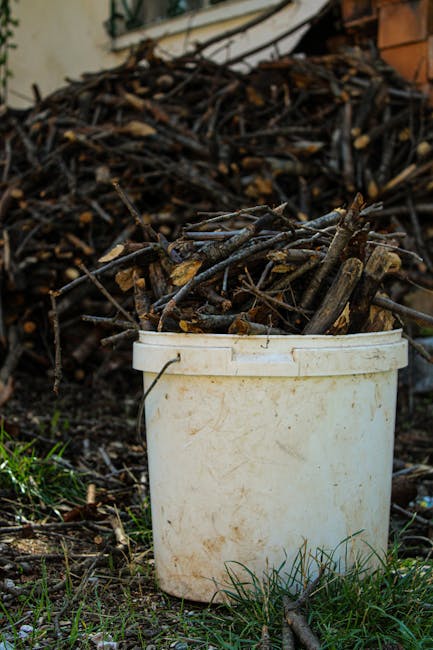
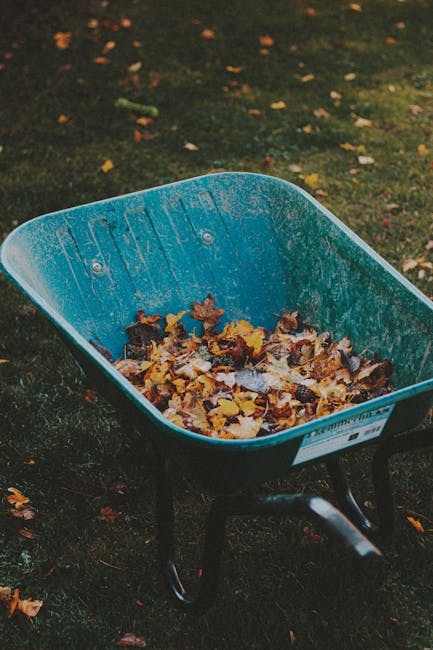
Piled garden waste in SE7? Local removal options
If you have a pile of branches, grass cuttings, hedge trimmings, old turf, or a half-finished garden clear-up sitting in SE7, you are not alone. It builds up fast. One decent weekend of pruning, a bit of wet weather, and suddenly the back corner of the garden looks more like a skip than a garden. This guide on Piled garden waste in SE7? Local removal options walks you through the practical choices, what to expect, and how to pick the easiest route without making a mess of the job.
Whether you are dealing with a small heap from a tidy-up or a heavier load after landscaping, the right removal option depends on access, volume, timing, and how quickly you want the space back. Let's make it simple.
Expert summary: for most SE7 households, the best option is the one that balances speed, handling, and responsible disposal. If the waste is already bagged and light, a smaller collection may be enough. If it is loose, bulky, or mixed with soil and old planters, a fuller garden clearance or wider waste removal service is often the cleaner, less stressful route.
Table of Contents
- Why piled garden waste in SE7 matters
- How local garden waste removal works
- Key benefits and practical advantages
- Who this is for and when it makes sense
- Step-by-step guidance
- Expert tips for better results
- Common mistakes to avoid
- Tools, resources and recommendations
- Law, compliance, standards and best practice
- Options, methods and comparison table
- Case study or real-world example
- Practical checklist
- Conclusion
- Frequently asked questions
Why Piled garden waste in SE7? Local removal options Matters
Piled garden waste is more than an eyesore. In SE7, where many homes have modest gardens, shared access, or tight side returns, a build-up of waste can quickly block walkways, attract pests, and make ongoing maintenance harder. A pile that sits for a week becomes a pile that sits for a month. That is usually how it goes, to be fair.
It matters for a few practical reasons:
- Space and access: large bags, branches, and cuttings can take over patios, paths, or driveways.
- Weather: wet green waste gets heavier and smellier, and loose material starts breaking down fast.
- Safety: slippery leaves, sharp twigs, and hidden rubble can be awkward underfoot.
- Neighbour impact: piles near boundary fences can spill, blow, or create a visual nuisance.
- Time: if you are already busy, handling, loading, and tipping waste yourself can eat up a whole day.
There is also a simple quality-of-life point. A cleared garden feels usable again. You can see the patio. You can hear the birds, instead of that damp, leafy rustle from a corner you have been meaning to sort out since last Saturday.
If the waste came from a larger tidy-up, you might also need help with other household items or storage overflow. In that case, services such as home clearance or even garage clearance can be useful alongside garden waste removal.
How Piled garden waste in SE7? Local removal options Works
Most local removal options follow a fairly simple pattern. You describe the waste, the access, and the urgency. A provider then estimates how much can be taken, what type of load it is, and whether it needs manual loading, bagging, or a mixed-waste approach.
For green waste, the process usually looks like this:
- Assess the pile: branches, hedge cuttings, grass, leaves, weeds, soil, roots, and broken pots all affect the job.
- Check access: narrow side gates, shared entrances, and stairs can change the amount of labour involved.
- Choose the collection method: loose loading, bagged waste, or an arranged clearance appointment.
- Load and remove: the waste is taken away in one visit or a short series of visits if it is large.
- Sort for disposal or recycling: green waste is separated where possible so it can be processed appropriately.
It sounds straightforward because, on the surface, it is. The detail is where the difference lies. A pile of dry hedge trimmings is not the same as a muddy mix of turf, roots, old compost bags, and cracked plant tubs. That is why the first assessment matters so much.
If you are comparing removal routes, it can help to think in terms of what the job really is. Pure garden waste is one thing. A broader property tidy-up can slide into house clearance territory or need a more general waste removal solution.
Key Benefits and Practical Advantages
The main benefit is obvious: your garden gets back to normal. But there are a few less obvious advantages that people often appreciate only after the job is done.
- Less lifting and hauling: no repeated trips with heavy bags or awkward branches.
- Cleaner finish: a professional-style removal usually leaves fewer scraps behind.
- Quicker turnaround: useful if you are preparing for visitors, a letting inspection, or new landscaping.
- Reduced strain: especially if the pile includes damp material, roots, or bulky cuttings.
- Better sorting: useful when you want green waste handled separately from general rubbish.
- Less disruption: a single organised visit can be easier than trying to stagger the job across a week.
There is also a practical financial angle. If waste is left to rot, spread, or get mixed with other debris, the eventual removal can become more complicated than it needed to be. A prompt clearance often keeps the task simpler. And simpler usually means better value.
Quick takeaway: the best garden waste option is not always the cheapest-looking one. It is the one that saves time, fits your access, and avoids turning a small garden job into a bigger one.
Who This Is For and When It Makes Sense
This kind of removal is useful for a surprisingly wide range of people in SE7.
- Homeowners dealing with seasonal pruning, lawn cuttings, or storm debris.
- Landlords and agents who need a garden made presentable between tenancies.
- Busy families who have done the work but do not have the time or vehicle to shift the waste.
- Older residents who want the garden cleared without heavy lifting.
- Gardeners and landscapers who need an extra hand with the removal side of a job.
- Anyone with limited access where moving waste through the house would be inconvenient or messy.
It makes particular sense when the pile is too big for your council bins, too awkward for a small car, or too mixed-up to be worth sorting yourself. If the job feels like it will involve endless bags, muddy floors, and one of those afternoons that just drags on... well, that is usually a sign to look at local removal help.
For larger clear-outs that include sheds, storage spaces, or overflow from the garden, related services such as loft clearance and flat clearance can also come into play, especially where the whole property needs a reset.
Step-by-Step Guidance
If you want to handle piled garden waste in SE7 with as little fuss as possible, work through the job in a sensible order. This is the part people skip, then regret later when the pile has turned from manageable to awkward.
1. Separate what is actually garden waste
Put green waste in one place and non-garden items in another. Old fencing, broken ornaments, rubble, and general rubbish should not be mixed in unless the service you choose is set up for mixed loads.
2. Break down oversized material
Long branches, root balls, and bulky hedge trimmings are easier to move when cut down into shorter lengths. You do not need to make everything perfect, just reasonable.
3. Bag or bundle where practical
Bagged grass cuttings and leaves are easier to move than loose heaps. Twigs and canes can be bundled. That said, do not overfill bags. Wet waste gets heavy fast.
4. Check the route out
Look at gates, side passages, steps, and doorways. If access is awkward, tell the removal team in advance. A five-second visual check saves a lot of back and forth later.
5. Decide how quickly it needs to go
If the waste is getting in the way, smells damp, or is attracting flies, speed matters. If it is just sitting there after a garden project, you may have more flexibility.
6. Ask what is included
Clarify whether loading, lifting, sweep-up, and sorting are included. A decent service should be clear about what happens on the day. No guesswork.
7. Make the area easy to access
Open gates, move parked cars if needed, and keep pets out of the way. It sounds basic, but little things help the whole visit run smoother.
Expert Tips for Better Results
In our experience, the jobs that go best are the ones where the homeowner does a little sorting before collection. Nothing dramatic. Just enough prep to keep the load tidy.
- Dry waste where possible: if you can leave bags or branches to dry out a little, they are often easier to handle.
- Keep soil separate: soil, turf, and hardcore behave differently from green waste and can change the disposal approach.
- Stack branches neatly: straighter piles are easier to load and less likely to snag during removal.
- Be honest about the volume: underestimating the size of the pile is common and usually leads to delays.
- Think through access at the start: a narrow side return in SE7 terraces can be fine, but only if everyone knows the route.
A small tip that sounds almost too obvious: take a quick photo before the pile gets moved around. It helps you remember what was there and makes getting a quote easier. Handy, and slightly boring, but useful.
If sustainability matters to you, ask how the waste is handled after collection. Reputable services should be able to explain their recycling-first approach. For more on that general approach, see recycling and sustainability.
Common Mistakes to Avoid
Most problems with garden waste removal are avoidable. Usually it comes down to rushing the prep or mixing the wrong materials together.
- Mixing green waste with general rubbish: this makes sorting harder and can increase handling time.
- Leaving waste spread everywhere: one tidy pile is easier than six little piles in different corners.
- Forgetting about access: if the team cannot reach the waste easily, the job slows down.
- Overfilling bags: heavy, split bags are a nuisance for everyone.
- Assuming everything is green waste: plant pots, treated timber, and old sleepers may need different handling.
- Leaving it too long: once waste goes wet, compacted, and slimy, it is just more work. Not impossible, just more work.
Another common one: people think they need to do everything perfectly before arranging help. They do not. A rough sort is fine. Really. The goal is simply to make the removal efficient and safe.
Tools, Resources and Recommendations
You do not need a garage full of specialist equipment to deal with piled garden waste, but a few simple tools can make the prep stage much easier.
- Heavy-duty garden bags: useful for leaves, grass, and smaller cuttings.
- Secateurs or loppers: handy for reducing branch length.
- Tarpaulin: good for gathering loose waste into one manageable spot.
- Gloves: essential if the pile includes thorns, splinters, or hidden debris.
- Rake and brush: helps collect stray leaves and fine clippings.
- Wheelbarrow: helpful for moving waste across a bigger garden or from the back to the front.
For a broader tidy-up, you may also want to think beyond the garden itself. If the pile is only one part of a much bigger clear-out, services such as home clearance, garage clearance, or builders waste clearance may fit the situation better than a garden-only collection.
Practical recommendation: if you are unsure whether the waste is purely green or partly mixed, describe it in plain English and be specific. "Mostly hedge cuttings with some roots and a few broken pots" is far more useful than "garden rubbish."
Law, Compliance, Standards, or Best Practice
When garden waste is collected and removed, the main thing to care about is lawful handling and responsible disposal. In the UK, waste should be passed to properly authorised carriers and managed in line with relevant waste duty-of-care expectations. That sounds formal, but the everyday version is simple: you want your waste to go where it is supposed to go, not somewhere questionable.
Best practice usually includes:
- Clear classification: green waste, soil, timber, and general rubbish should be identified correctly.
- Safe handling: heavy or sharp items should be moved without creating avoidable risk.
- Responsible disposal: recyclable green waste should be separated where practical.
- Transparent service terms: you should know what is included before the job starts.
- Insurance and safety: reputable providers should be able to explain how they approach safety on site.
If a provider cannot explain how they manage loading, disposal, or site safety, that is a red flag. Nothing dramatic, but worth noting.
For service standards and peace of mind, it can also help to review pages like health and safety policy, insurance and safety, and the company's terms and conditions. Those are not glamorous reads, but they are the kind of details that tell you whether a firm is organised or just winging it.
Options, Methods, or Comparison Table
There is no single right way to remove garden waste. The best method depends on volume, access, and whether the waste is clean green material or a mixed load.
| Option | Best for | Advantages | Watch-outs |
|---|---|---|---|
| Self-bagging and private disposal | Very small amounts of light waste | Can be cheap if you already have transport | Time-consuming, lifting, multiple trips |
| Scheduled local collection | Routine garden clear-ups | Convenient, predictable, less lifting | May not suit mixed or bulky waste |
| Full garden clearance | Large heaps, damp waste, awkward access | Fast, organised, usually includes loading | Cost depends on size and complexity |
| General waste removal | Mixed garden and household items | Flexible when the pile is not pure green waste | Needs accurate description upfront |
If you are still deciding, ask yourself two questions. Is this mainly green waste? And do I actually want to handle the lifting? If the answer to the second one is no, that narrows the decision very quickly.
In many SE7 cases, a dedicated garden clearance is the easiest answer because it deals with the reality of the pile, not just the ideal version of it.
Case Study or Real-World Example
Here is a realistic example. A homeowner in SE7 finishes a weekend pruning session in late spring. There are hedge trimmings, a few thick branches, two old compost bags, and some turf from a border refresh. It all sits in a heap near the back gate. At first, it looks manageable. By Monday, it is damp. By Wednesday, it is in the way every time someone opens the shed.
Rather than trying to load it into a small car over several trips, they sort the waste into one pile, separate the plastic bags and broken pots, and arrange a local removal visit. The team arrives, checks access through the side return, loads the waste, and leaves the patio swept enough that the garden is usable again that evening.
The difference is not just speed. It is the mental relief. You walk outside and the space feels open again. No pile in the corner. No nagging job. No "I'll deal with it next week" hanging over you.
That is the real value of a sensible removal option. It gives you the garden back without turning the process into a full-scale weekend project.
Practical Checklist
Use this quick checklist before booking garden waste removal in SE7:
- Identify whether the pile is pure green waste or mixed material.
- Check for soil, rubble, timber, or broken pots hidden in the heap.
- Estimate the size of the pile honestly.
- Make sure gates and access routes are clear.
- Decide whether you want bagged, bundled, or loose waste moved.
- Take a photo if it helps explain the job.
- Ask what is included in loading and sweep-up.
- Confirm how quickly you want it removed.
- Review safety, insurance, and service terms if you want extra reassurance.
- Prepare pets, parked cars, and neighbours' access where relevant.
Short version: a little prep saves a lot of hassle. Always.
Get a free quote today and see how much you can save.
Conclusion
Piled garden waste in SE7 can feel like a small problem that keeps growing in the background. The good news is that it usually has a straightforward solution. Once you know whether the waste is green-only or mixed, and whether access is easy or awkward, the right removal option becomes much easier to choose.
For some people, a simple collection is enough. For others, a fuller garden clearance makes far more sense. The best choice is the one that matches the pile in front of you, not the version you hoped you would deal with later. Truth be told, later is often when the pile gets heavier, soggier, and more annoying.
If you want the job handled smoothly, start with clear sorting, honest photos, and a practical plan. Your garden will thank you for it. And so will your weekend.
Frequently Asked Questions
What counts as garden waste in SE7?
Garden waste usually includes grass cuttings, hedge trimmings, leaves, branches, weeds, roots, and plant material. Soil, turf, and broken garden items may need separate handling depending on the service.
Can I mix garden waste with other rubbish?
You can sometimes do that, but it may change the type of removal needed. Mixed loads are usually best described clearly in advance so the provider knows what they are dealing with.
Is a piled garden waste removal cheaper than a full clearance?
Not always. Small, clean, easy-access piles are usually simpler and may cost less than mixed or bulky waste. The main factors are volume, access, and what is in the pile.
How quickly can local garden waste be removed?
That depends on availability and the size of the job. If the pile is urgent, such as after storm damage or a time-sensitive garden project, it is worth saying so early.
Do I need to bag the waste before collection?
Not always. Bagging helps with leaves and light clippings, but loose branches or larger heaps may be handled more efficiently if they are stacked neatly instead.
What if my garden has narrow access?
Narrow side passages and tight gates are common in SE7. It is best to mention access limitations before booking so the removal plan matches the space.
Can wet garden waste still be taken away?
Yes, but wet waste is heavier and sometimes messier to move. If the pile has been sitting through rain, it is worth mentioning that because it may affect how the job is handled.
What should I do with soil, turf, or roots?
These materials can be heavier and more awkward than normal green waste. Keep them separate if you can, or at least point them out when describing the pile.
Is it better to wait until I have a bigger pile?
Sometimes, but not always. If the waste is in the way, starting to smell, or attracting pests, waiting longer is usually the wrong move. A smaller prompt removal is often the smarter option.
How do I know a waste service is handling disposal properly?
Look for clear explanations of loading, safety, and disposal practices. It is also sensible to review pages such as about us and recycling and sustainability to understand how the business approaches responsible handling.
What if my garden waste came from a bigger property tidy-up?
Then you may need more than garden waste removal. Depending on what else is involved, related services like house clearance or home clearance may fit better.
How do I get the most accurate quote?
Send a clear description, a few photos, and any access notes. The more honest and specific you are, the less likely you are to get a surprise later. That is the good kind of boring admin.
If you are ready to sort the pile and move on, a clear plan and the right local help can turn a messy corner of the garden into usable space again. Small win, but a very satisfying one.